How to Spot Mold in Your Grand Rapids, MI Home Before It Spreads
Mold is one of those problems that grows quietly until it becomes a major issue. By the time most homeowners notice it, the contamination has already spread further than they realize. In Grand Rapids, MI, where humid summers and cold winters create the perfect conditions for mold growth, knowing how to spot it early can save you thousands in remediation costs and protect your family’s health.
Here is what to look for, where mold tends to hide, and what to do when you find it.
Common Signs of Mold in Your Home
Mold does not always look like the obvious black or green patches you see in pictures. It can take many forms and is often easy to miss in the early stages. The most common signs include:
- A musty, earthy smell that does not go away with cleaning
- Discoloration on walls, ceilings, or floors, including black, green, gray, white, or brown spots
- Peeling paint or wallpaper, especially near moisture sources
- Warped or bulging walls or ceilings
- Increased allergy symptoms, coughing, or respiratory issues at home
- Recent water damage that was not professionally dried
If you notice even one of these signs, it is worth investigating further. Mold rarely stays in one spot. Once it starts growing, it spreads quickly through walls, insulation, and HVAC systems.
Where Mold Hides in Grand Rapids Homes
Mold needs three things to grow: moisture, organic material, and time. Most homes in the Grand Rapids, MI area have plenty of all three in certain areas. The most common hiding spots include:
Basements
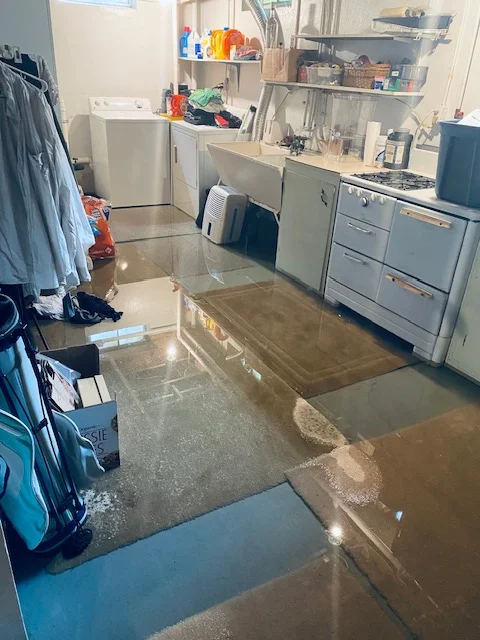
Basements are the number one location for mold in Michigan homes. They tend to be cooler, more humid, and prone to flooding from heavy rain, snow melt, or sump pump failures. Check around the foundation, behind stored boxes, and along the lowest portions of walls.
Bathrooms
Bathrooms see constant moisture from showers, baths, and sinks. Mold often grows around tubs, behind toilets, under sinks, and on ceilings if ventilation is poor. Even a small water leak under a bathroom sink can lead to significant mold growth within weeks.
Attics
Roof leaks, poor ventilation, and ice dam moisture during winter all contribute to attic mold. If you cannot remember the last time you checked your attic, it is worth taking a look. Mold often appears around vents, near roof joints, and on insulation.
Behind Walls and Under Floors
This is the hardest type of mold to spot because you cannot see it. Hidden mold often grows behind drywall, under flooring, or inside wall cavities after a leak or flood. The musty smell is usually the first sign something is wrong.
HVAC Systems
If mold gets into your HVAC system, it can spread spores throughout your entire home every time the system runs. Check around vents, in air ducts, and inside the unit itself if you suspect a problem.
What to Do if You Find Mold
If you see a small mold patch, smaller than about ten square feet, you may be able to address it yourself with proper cleaning and safety equipment. For anything larger, or if you find mold in your HVAC system, walls, or insulation, call a professional immediately.
Do not try to clean large mold areas yourself. Disturbing the mold without proper containment can release spores into the air and spread the problem to other parts of your home. Professional remediation includes containment barriers, HEPA air filtration, and antimicrobial treatment to fully address the contamination at the source.
Why Mold Spreads Fast in Grand Rapids, MI
Michigan’s climate is uniquely favorable to mold. Cold winters cause condensation inside walls and attics. Spring brings heavy rain and snow melt that floods basements. Summer humidity accelerates growth on any damp surface. Without professional intervention, mold problems in this area can go from minor to major in a matter of weeks.
Final Thoughts
Catching mold early is the single best thing you can do to protect your home and your family. Trust your nose, check the usual hiding spots, and never ignore signs of moisture or water damage. If you suspect mold growth anywhere in your Grand Rapids, MI home, do not wait.
Riverside Restoration provides professional mold inspection and remediation services throughout Ada, Grand Rapids, and the surrounding West Michigan area. We handle everything from small spot remediation to full property contamination. Call (616) 675-0110 for fast, dependable service.